Teddy Bear Clinic launches at Countess of Chester Hospital to support young children with diabetes
Children living with diabetes are swapping clinic rooms for teddy bears and playtime thanks to a new Teddy Bear Clinic launched by the Countess of Chester Hospital NHS Foundation Trust.
The play-based initiative, which was inspired by a similar successful programme at Leeds Children's Hospital, has been designed for children under seven and their families, creating a relaxed and supportive environment where learning about diabetes becomes part of play.
During the group-based sessions, children are encouraged to bring along their favourite teddy bear or soft toy and help care for them at a series of themed activity stations.
Through play, youngsters can explore topics including insulin injections, insulin pumps, healthy eating, exercise and living well with diabetes.
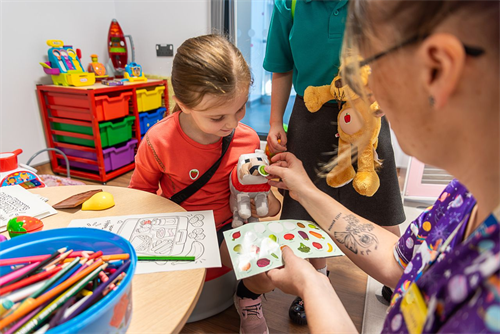
The clinic also gives children the opportunity to meet others their age who are also living with diabetes, helping them feel less alone and creating friendships with other children who understand the realities of living with the condition.
This is particularly beneficial as many children attending the clinic are living with Type 1 diabetes, a lifelong autoimmune condition that can have a significant impact on the children and their families.
For many families, a Type 1 diabetes diagnosis can be a lot to process, and adapting to the changes it brings can take time, which is why meeting others who share similar experiences can help children and families feel supported, build confidence and realise they are not facing those challenges alone.
Whilst children take part in the activities, parents and carers can spend time with one another, sharing experiences, offering support and building connections with families who are navigating similar journeys.
Helen Dodd, Paediatric Diabetes Specialist Nurse at the Countess of Chester Hospital, said:
"We saw what Leeds Children's Hospital was doing and felt it was something that could really benefit our families here in Chester.
“A traditional clinic appointment can be quite a big thing for a young child. There can be lots of healthcare professionals involved and children are often expected to sit still for long periods while important conversations take place.
“The Teddy Bear Clinic creates a much warmer, more relaxed environment where the can play, learn and spend time with others who have diabetes, giving parents the head space to speak to the consultant and our team without the usual distractions.
“It also gives families the chance to meet others who are going through similar experiences. That peer support is really valuable – especially for families who are coming to terms with a new diagnosis of diabetes in their children and we're hoping to run these clinics regularly in the future,” she explained.
One patient and their family who is already seeing the benefits of the initiative is six-year-old Frankie.
Frankie, who lives with diabetes, has formed a close friendship with another child she met through the diabetes service and was thrilled to bring her teddy along to one of the first Teddy Bear Clinics.
Frankie’s dad Jamie Jones said: “The clinic is such a great idea. Frankie doesn’t know many other children who have diabetes, so she doesn't often get the chance to spend time with other children who understand what it's like.
“These sessions give the children so much freedom to play together and they genuinely look forward to seeing each other.
“It's also a good chance for us parents to talk to other families who understand the day-to-day realities of managing diabetes.
“The support from the team has been amazing and the children have been so excited to come along today, which isn’t always the case with hospital appointments,” he said.
The Teddy Bear Clinic is part of the Countess of Chester Hospital's ongoing commitment to delivering child-centred care and helping young patients and their families feel supported, informed and connected throughout their diabetes journey.
It is located inside the Trust’s new award-winning Women and Children’s building which opened in 2025.
Published 29.09.26